
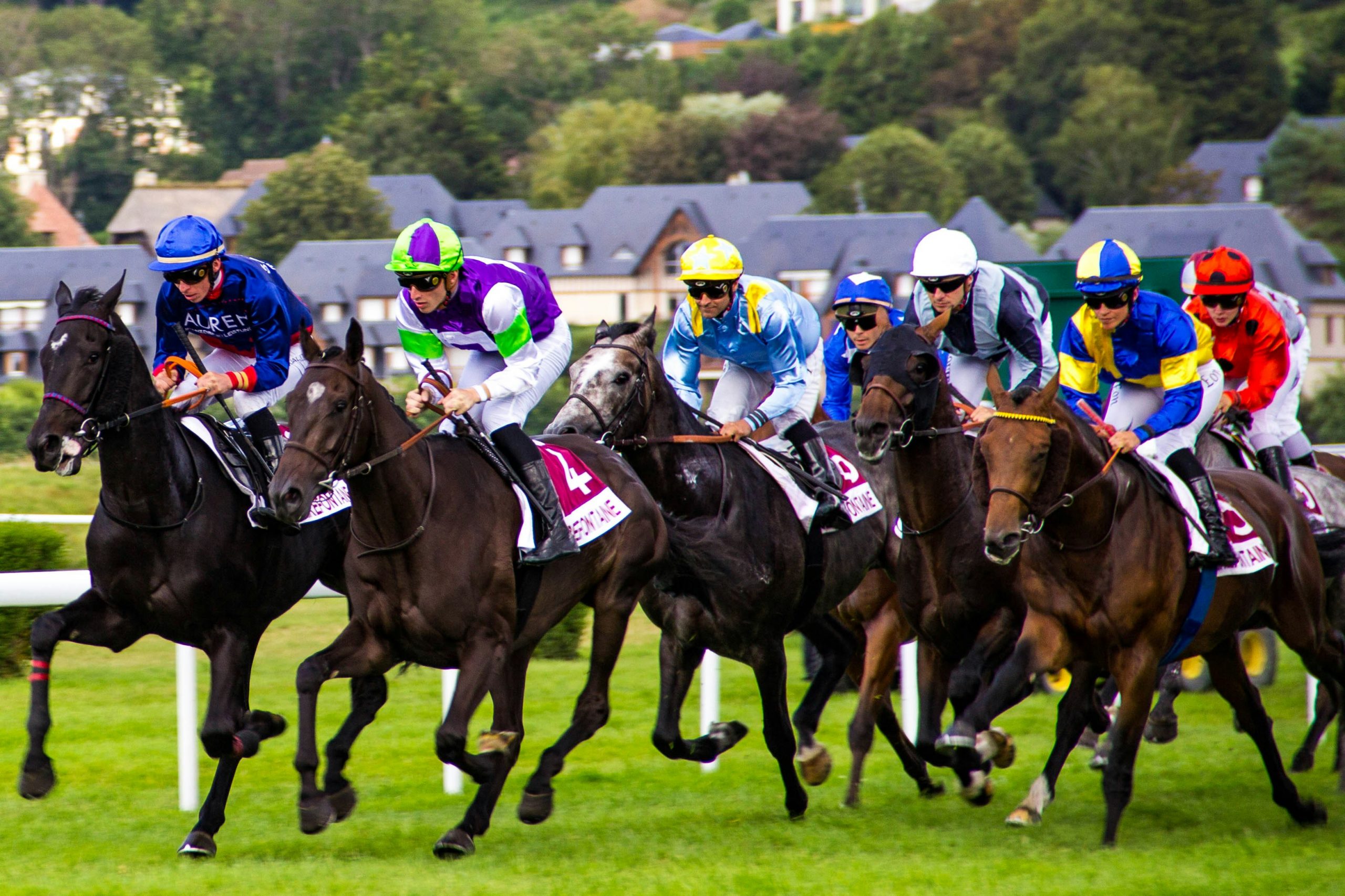
The Impact of UK Horse Racing Not Being on: Insights and Analysis
Horse racing has long been a cherished institution in the UK, renowned for its rich history and cultural significance. However, recent developments have left fans and stakeholders wondering about the future as UK horse racing is not currently on. This article delves into the ramifications of this situation, examining its effects on various aspects of the sport, the economy, and the communities that thrive on horse racing culture. For those interested in experiencing aspects of this vibrant world, visit UK Horse Racing Not on GamStop https://www.koyamalondon.com/, where you can immerse yourself in unique dining experiences while discussing the sport.
Historical Context of UK Horse Racing
The UK has a storied history with horse racing that dates back to ancient times. From the first organized races in the 16th century to the establishment of racecourses and formal competitions in the 19th century, the sport has evolved significantly. Horse racing has played a crucial role in the cultural and economic fabric of Britain, drawing millions of spectators each year and serving as a platform for showcasing equine talent.
The Current State of UK Horse Racing
However, the landscape of UK horse racing has faced unprecedented challenges in recent years, particularly due to external factors such as the COVID-19 pandemic. With social distancing measures, many races were canceled or held without spectators, leading to a sharp decline in revenue for racecourses, trainers, and various stakeholders. The impact of such disruptions is far-reaching, affecting not only the immediate financial viability of the sport but also its long-term popularity and growth.
Economic Implications of Racing Not Being on
The economic implications of UK horse racing not being on are substantial. The industry contributes an estimated £3.5 billion to the UK economy, supporting thousands of jobs in sectors ranging from breeding to betting and hospitality. Racing events typically attract significant crowds, with major race days like the Grand National and Royal Ascot generating millions in ticket sales, hospitality packages, and betting revenue. The absence of these events has not only resulted in lost income but has also led to job losses and financial instability for many involved in the sport.

Community Engagement and the Local Economy
Beyond its economic impact, horse racing plays a vital role in community engagement. Local businesses often thrive during racing events, benefitting from increased foot traffic. Pubs, hotels, and restaurants typically see a surge in customers, creating a lively atmosphere around race days. Without these events, a sense of community and shared excitement diminishes, leading to a decline in the local economy surrounding racecourses. Various regions that are heavily reliant on tourism from horse racing are feeling the strain, which can have long-term effects on their viability.
Future of Horse Racing in the UK
As UK horse racing grapples with the challenges of not being on, the future of the sport raises questions about sustainability and innovation. The industry will need to adapt and evolve to meet changing consumer preferences and societal norms, particularly surrounding animal welfare and ethical considerations. Integrating technology and offering new, engaging experiences for fans could play a pivotal role in reviving interest in the sport.
Innovations in Racing and Fan Engagement
Innovation in horse racing encompasses technology, betting platforms, and experiential offerings that cater to a younger audience. The incorporation of virtual reality experiences, live-streaming of events, and enhanced online betting options can attract a new generation of fans. Moreover, improving accessibility for underrepresented groups can contribute to a more inclusive atmosphere that promotes community growth.
Conclusion
In conclusion, the situation of UK horse racing not being on has far-reaching implications that extend beyond the immediate financial challenges. The sport must navigate a complex landscape, focusing on community engagement, economic sustainability, and innovative practices to ensure its revival and future growth. By understanding and addressing these issues, the horse racing industry can re-establish itself as a cornerstone of British culture, promising exciting experiences for fans and participants alike.